Does Tattoo Numbing Cream Affect a Tattoo? Facts You Should Know
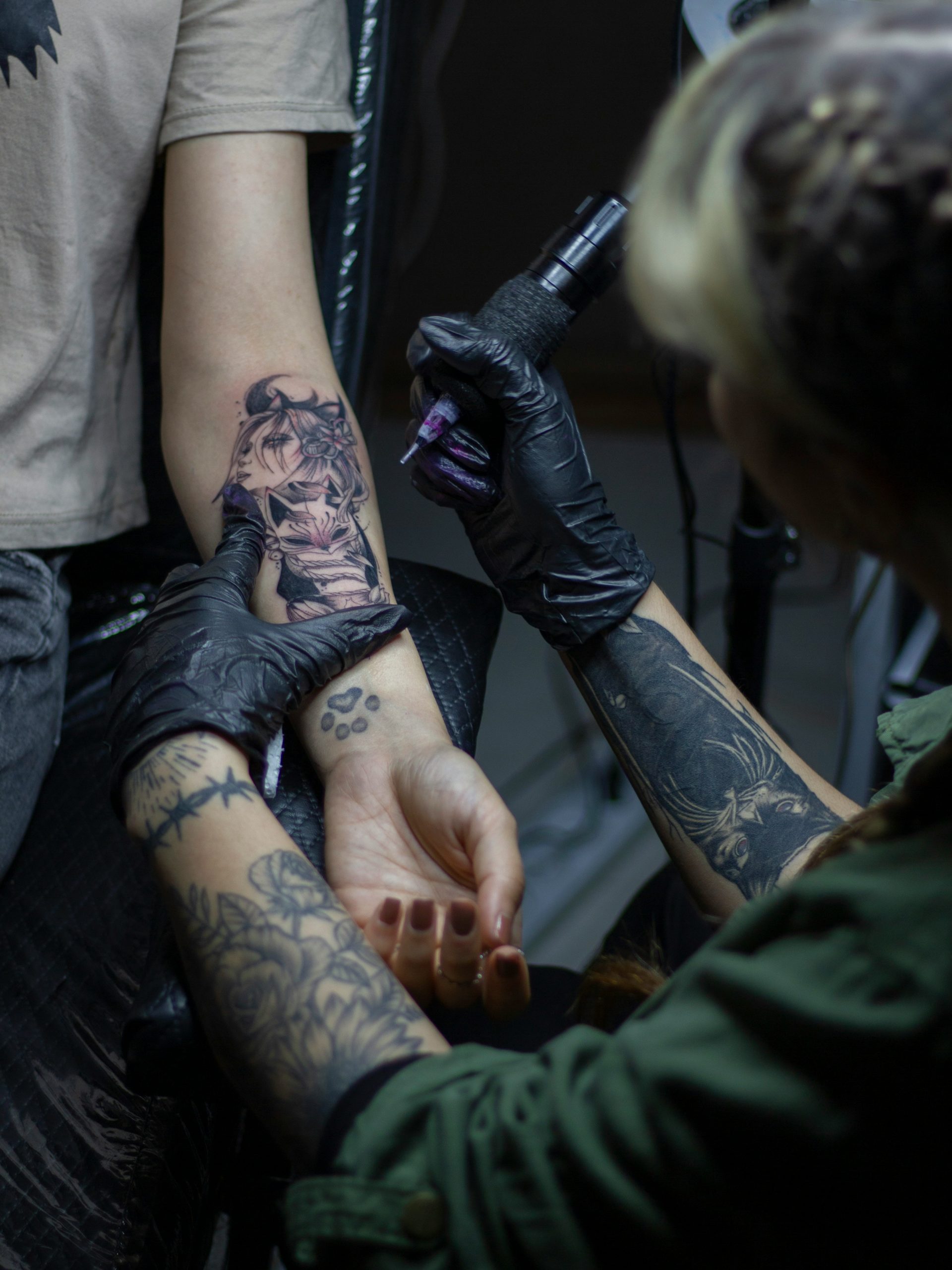
Getting a new tattoo is exciting, but the thought of sitting through hours of discomfort can make even the most enthusiastic tattoo lovers nervous. Whether you’re planning your first tattoo or adding another piece to your collection, you may have considered using tattoo numbing cream to make the experience more comfortable.
However, one question often comes up before an appointment: does tattoo numbing cream affect a tattoo?Could it interfere with the ink, change how the skin reacts to the tattooing process or affect the final result?
The good news is that tattoo numbing cream does not automatically ruin a tattoo. However, the ingredients,formulation and way a product is used can make a difference. Understanding what happens to your skin before and during tattooing can help you make a more informed decision.
At Sin Skin, we believe that feeling comfortable and confident throughout your tattoo journey starts with having the right information. Here’s what you should know about tattoo numbing cream and its potential effects.
Does Tattoo Numbing Cream Affect Ink and Tattoo Results?
One of the biggest concerns surrounding tattoo numbing cream is whether it affects how tattoo ink enters the skin. There are plenty of conflicting opinions online, with some people claiming thatnumbing cream cancause ink rejection, patchy results or faded tattoos.
But is this actually true?
Generally, tattoo numbing cream does not directly prevent tattoo ink from entering the skin. Topical numbing ingredients, such as lidocaine, work by temporarily reducing the transmission of pain signals from the nerves. They do not simply block tattoo pigment from reaching the dermis, where tattoo ink is deposited.
However, there are a few indirect ways certain numbing products could influence the tattooing process.
For example, some formulations may cause temporary changes to the skin, including redness,swelling,whitening or altered texture. Depending on the product and individual skin response, this could make the area feel softer, more swollen or more difficult for a tattoo artist to work with.
Skin condition matters when creating a tattoo. Artists need a consistent surface to stretch the skin,maintain needle control and achieve even pigment application. If a numbing product leaves an oily residue or causes noticeable irritation, it could make stencil application and tattooing more challenging.
This doesn’t mean that all numbing creams will affect your finished tattoo. The formulation andapplicationmethod are important factors.
Choosing a suitable product from a reputable supplier, such as Sin Skin, is a sensible starting pointwhenresearching tattoo preparation products. Always check the ingredients and instructions, and speak to your tattoo artist before applying anything.
It’s also worth remembering that there is limited clinical research directly examining how differentnumbingcreams affect long-term tattoo ink retention. Claims that every numbing cream will ruin yourtattoo aretherefore misleading.
2. How Can Tattoo Numbing Cream Change Your Skin During a Tattoo Session?
Although tattoo numbing cream does not automatically interfere with tattoo ink, it can influence how your skin behaves during an appointment.
Understanding these temporary changes is important because your skin is the canvas your tattoo artist works on.
Temporary skin reactions
Depending on the active ingredients and your individual skin sensitivity, numbing cream may cause temporary redness, whitening, mild swelling or irritation. These reactions can change the appearance of the tattoo area before the session begins.
In some cases, the skin may also feel slightly different in texture. This can make it more difficult for an artist to stretch the area consistently, particularly if the product has caused excessive swelling or left behind residue.
Changes to the tattooing experience
One of the main reasons people consider numbing cream is to make longer tattoo sessions more manageable. Reducing discomfort may help some clients feel more relaxed and remain still throughout their appointment.
This can be particularly appealing when getting larger designs or tattoos in areas that are generally more sensitive.
However, numbing cream doesn’t necessarily remove every sensation. You may still experience pressure,vibration and some discomfort, depending on the location of your tattoo and the product used.
It’s also important to understand that numbing effects are temporary. As the product wears off, you may begin to feel the discomfort associated with the tattooing process.
Does it affect tattoo healing?
Using an appropriate topical numbing product correctly does not automatically mean your tattoo will heal poorly. However, an allergic reaction, skin irritation or excessive swelling before tattooing could complicate the process.
You should never assume that a cream designed for intact skin is suitable for application to freshly tattooed or broken skin. Once the skin barrier is damaged, absorption and potential risks can change.
For the best experience, always follow the manufacturer’s instructions and discuss your plans with your tattoo artist beforehand.
At Sin Skin, we understand that tattoo preparation is about more than simply managing discomfort.It’sabout making informed choices, understanding your skin and ensuring you’re prepared for your appointment.
3. How to Use Tattoo Numbing Cream Responsibly for the Best Experience
If you’re considering using tattoo numbing cream, preparation is essential. Choosing a productwithoutunderstanding its ingredients or application instructions could lead to unnecessarycomplications.
The first step is to choose a reputable product. Not all numbing creams are formulated equally, andproductsadvertised online can contain different active ingredients and concentrations. Avoidassuming that a higherpercentage automatically means better or safer results.
You should also check that the product is appropriate for your intended use. Read the packaging carefully,check the ingredients and follow the manufacturer’s instructions regarding application,dosage and timing.
Here are some important considerations before your tattoo appointment:
- Speak to your tattoo artist: Some artists have specific preferences about numbing products and may not be comfortable tattooing skin treated with certain formulations.
- Check the ingredients: Make sure you understand which active ingredients are present and whether you have any known sensitivities or allergies.
- Follow application instructions: Never apply more than recommended or leave a product on for longer than instructed.
- Avoid damaged skin: Do not apply products intended for intact skin to cuts, irritated areas or freshly tattooed skin.
- Don’t mix numbing products: Combining different topical anaesthetics can increase the risk of unwanted side effects.
- Be cautious with large areas: Applying numbing products over extensive areas or covering them incorrectly can increase absorption and potential health risks.
Safety is particularly important with high-strength numbing creams. The FDA has previously warned about certain topical pain-relief products marketed for cosmetic procedures, including tattooing, because excessive lidocaine exposure can cause serious side effects. These include irregular heartbeat, seizures and breathing difficulties. Although this is US regulatory guidance, the safety considerations are relevant to consumers elsewhere too.
If you’re unsure whether a particular product is suitable, speak to a pharmacist or healthcareprofessionalbefore use.
Why choose Sin Skin?
When researching tattoo preparation products, it’s important to buy from a supplier that puts product information and customer confidence first.
At Sin Skin, we want customers to feel informed when exploring products to support their tattooexperience.Whether you’re preparing for your first piece or planning your next tattoo, taking the time to understand your options can make a real difference.
Remember, numbing cream is a personal choice, not an essential part of getting tattooed. The right approach will depend on your skin, the tattoo you’re having and your artist’s recommendations.
Ready for Your Next Tattoo? Let’s Talk Sin Skin
At Sin Skin, we’re passionate about helping customers feel more confident when preparing for their appointments. We understand that choosing the right numbing cream can raise plenty of questions,particularly when you’re concerned about how it might affect your finished tattoo.
Whether you want to learn more about our numbing cream range, need help choosing a product or have questions about your order, our team is here to help.
Explore our range of tattoo numbing creams and find out more about how Sin Skin can support your tattoo preparation.
Ready to find out more?
Visit Sin Skin today or get in touch with our friendly team. We’re always happy to help you make an informed choice before your next tattoo.